
Reading Time: minutes
 From Historic Achievements to Future-Ready Framework
The Makati Central Business District stands at a pivotal moment in its six-decade evolution.
As the Philippines' premier business destination, Makati continues to reinvent itself through strategic revitalization efforts, forward-thinking regulations, and innovative sustainability initiatives. This comprehensive transformation, led by MACEA (Makati Central Estate Association) in partnership with Ayala Land, represents more than urban renewal—it's a blueprint for the future of business districts in Southeast Asia.
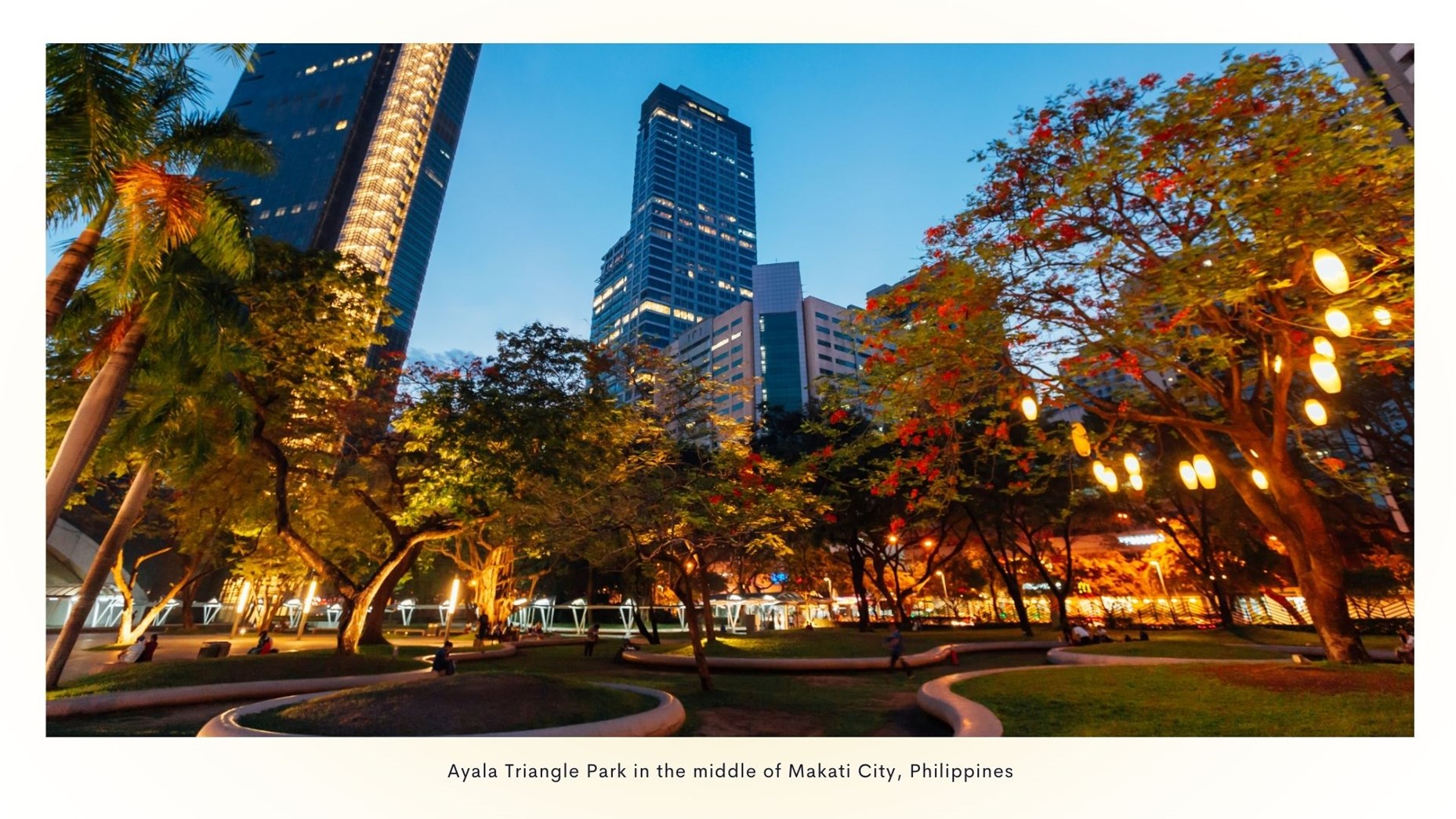
The completion of Makati's ambitious P125 billion investment program from 2012 to 2018 established the foundation for the district's current transformation. This massive undertaking, spanning six years of intensive development, fundamentally reshaped Makati's infrastructure and established new benchmarks for urban business district development in the region.
The program's success is evident in the enhanced connectivity that now defines the district.
COMPLETED REVITALIZATION ACHIEVEMENTS
The P125 Billion Investment Legacy
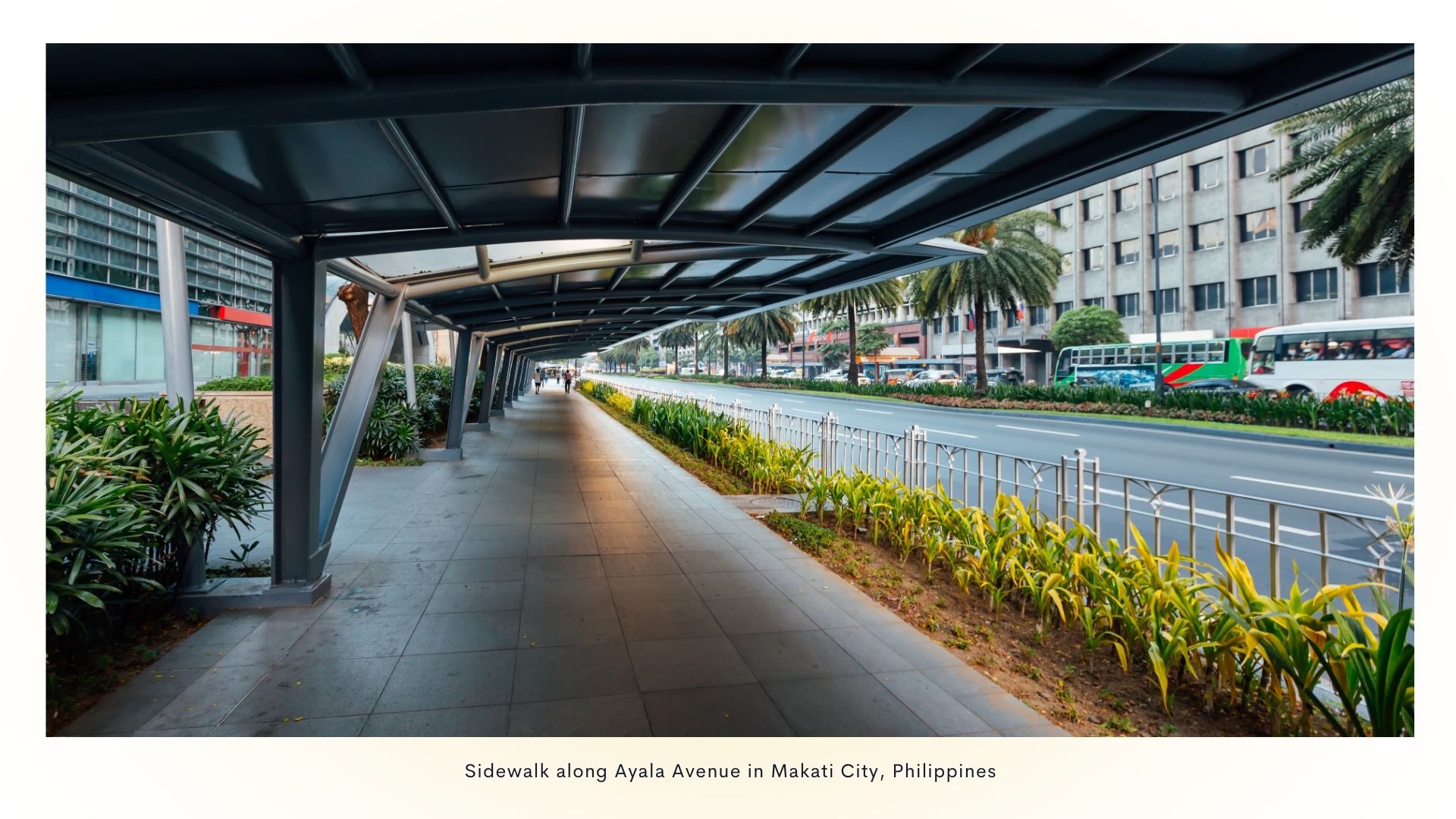
Modern pedestrian walkways and improved underpasses create seamless movement between buildings, while upgraded transportation infrastructure has significantly improved accessibility.
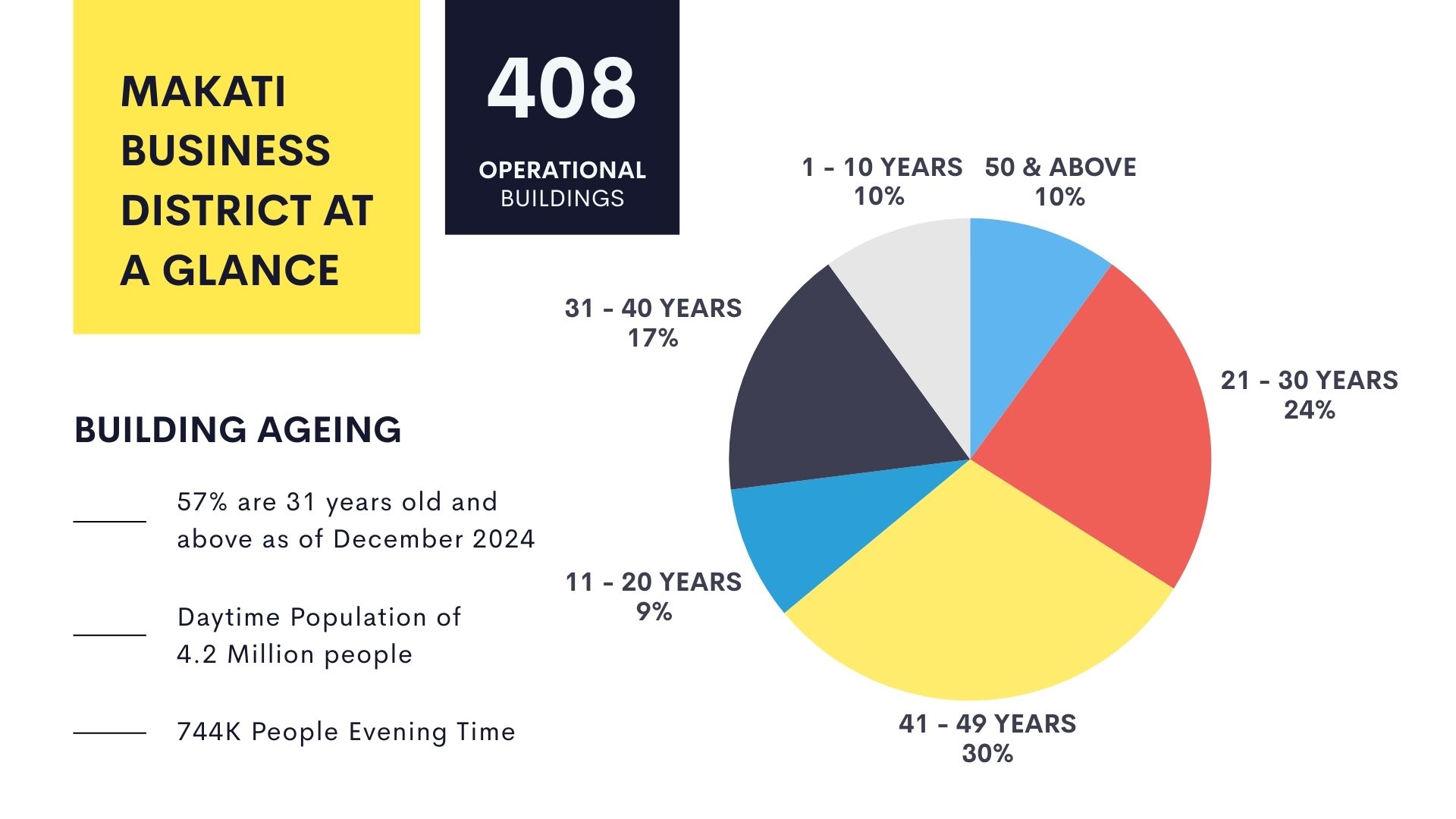
These improvements have transformed the daily experience of the over 800,000 people who work, live, and conduct business in Makati daily.
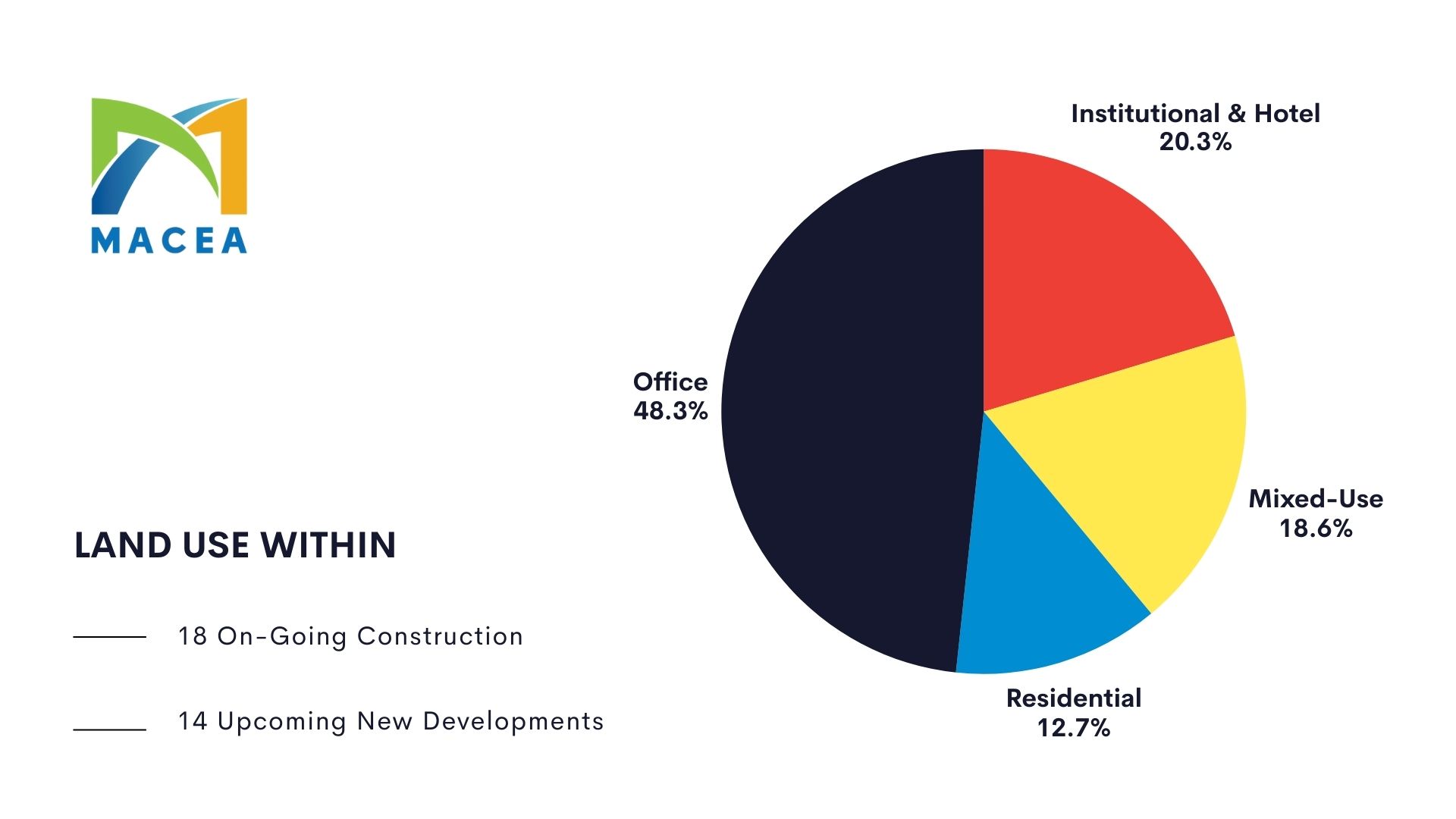
Infrastructure Modernization
The district's infrastructure improvements extend far beyond individual projects. The comprehensive upgrade of utility systems, including enhanced power grid reliability and expanded telecommunications infrastructure, has positioned Makati to support the demanding requirements of modern businesses and emerging technologies.
Ayala Triangle's recent renovations illustrate how existing buildings are being adapted for future workplace needs. The project incorporated flexible office layouts, advanced building management systems, and sustainability features that align with evolving corporate requirements for employee wellness and environmental responsibility.
Infrastructure Modernization Results
Environmental responsibility has shifted as an optional consideration to becoming an essential requirement in modern business district planning. Makati's sustainable development strategy mandates LEED and BERDE certification requirements for new construction and major renovations, ensuring that environmental performance becomes a standard rather than an exception.
The integration of renewable energy systems, smart building technologies, and comprehensive waste management programs reflects the district's commitment to reducing its environmental footprint while maintaining operational excellence. These initiatives not only support corporate sustainability goals but also reduce long-term operational costs for businesses and property owners.
Adaptive Leadership: Defining the Future Framework
Makati's strategic vision for 2025 and beyond centers on maintaining its position as Southeast Asia's premier business district while proactively adapting to rapidly changing workplace dynamics, sustainability requirements, and lifestyle preferences. This vision recognizes that business districts must evolve beyond traditional corporate centers to become integrated ecosystems that support diverse business models and work arrangements.
The strategic framework emphasizes four fundamental pillars: sustainable development, innovation and technology integration, community enhancement, and economic competitiveness. These interconnected elements work together to create a comprehensive approach to district development that addresses both immediate needs and long-term trends.
- Innovation and Technology Integration
A business district's success hinges on a robust digital infrastructure. This includes expanding 5G and fiber optic networks to stay competitive globally and using smart city technologies for efficient management of traffic, energy, and security. Additionally, offering flexible office and hybrid work environments is key to attracting modern businesses and adapting to evolving workplace trends.
- Community Enhancement and Quality of Life
To attract and keep top talent, a district must offer more than just great offices. By investing in parks, recreation, and cultural events, it becomes a place people want to be both during and after work. Adopting universal design principles makes the area accessible to all, benefiting the entire community.
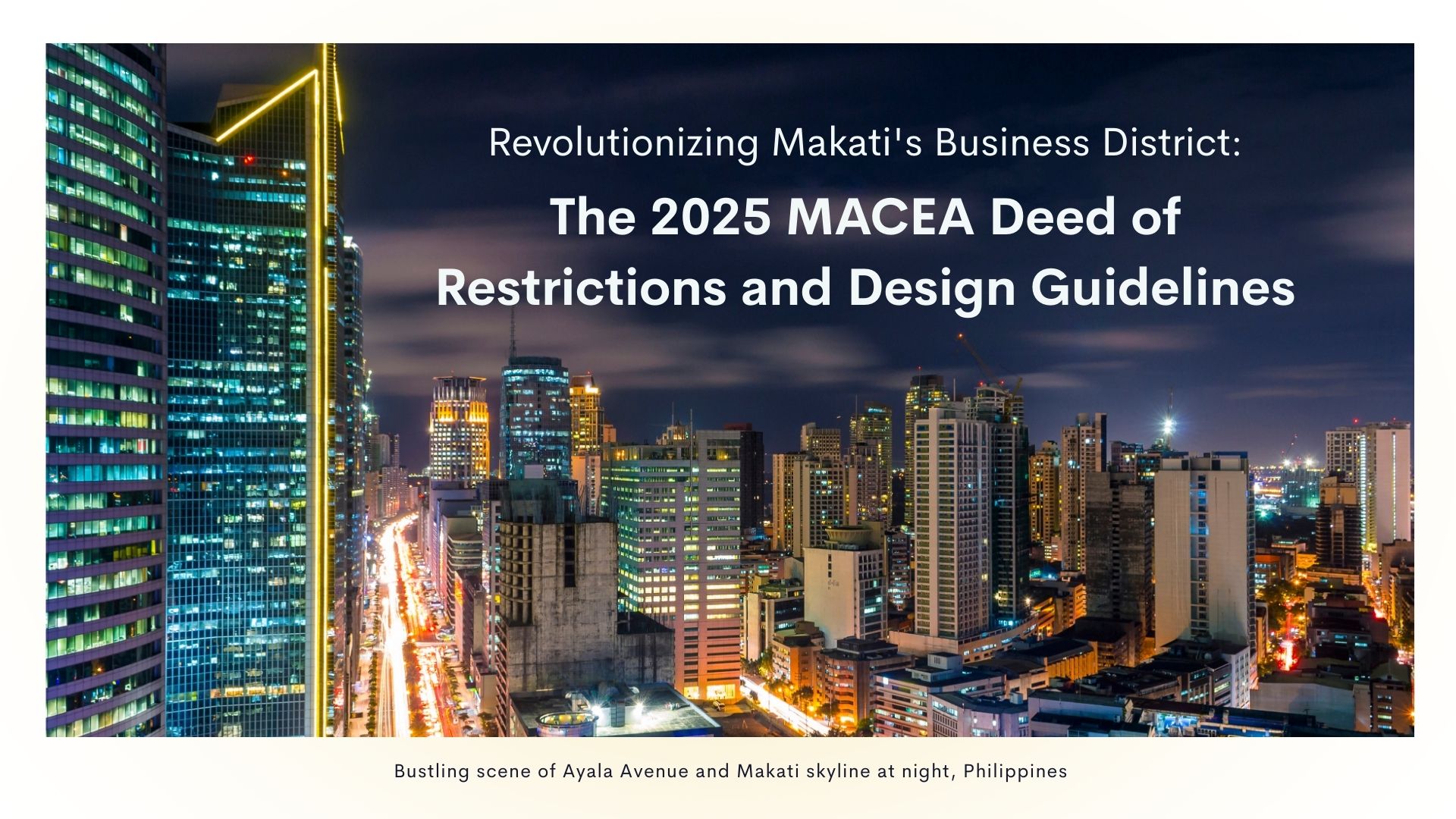
The Makati Central Business District stands at the threshold of its most significant transformation in decades. As the Philippines' premier financial center approaches its seventh decade of continuous development, the Makati Central Estate Association (MACEA) has unveiled comprehensive revisions to its deed of restrictions and design guidelines for 2025—changes that promise to reshape the landscape of Southeast Asia's most established business district.
The End of Traditional Restrictions
After more than 60 years of carefully controlled development, Makati CBD's traditional deed of restrictions are being phased out, allowing property owners to unlock more value from their assets and address current market needs. This historic shift represents a fundamental change in how the district will evolve, moving from rigid regulatory control to a more flexible framework that encourages innovation while maintaining the area's premium character.
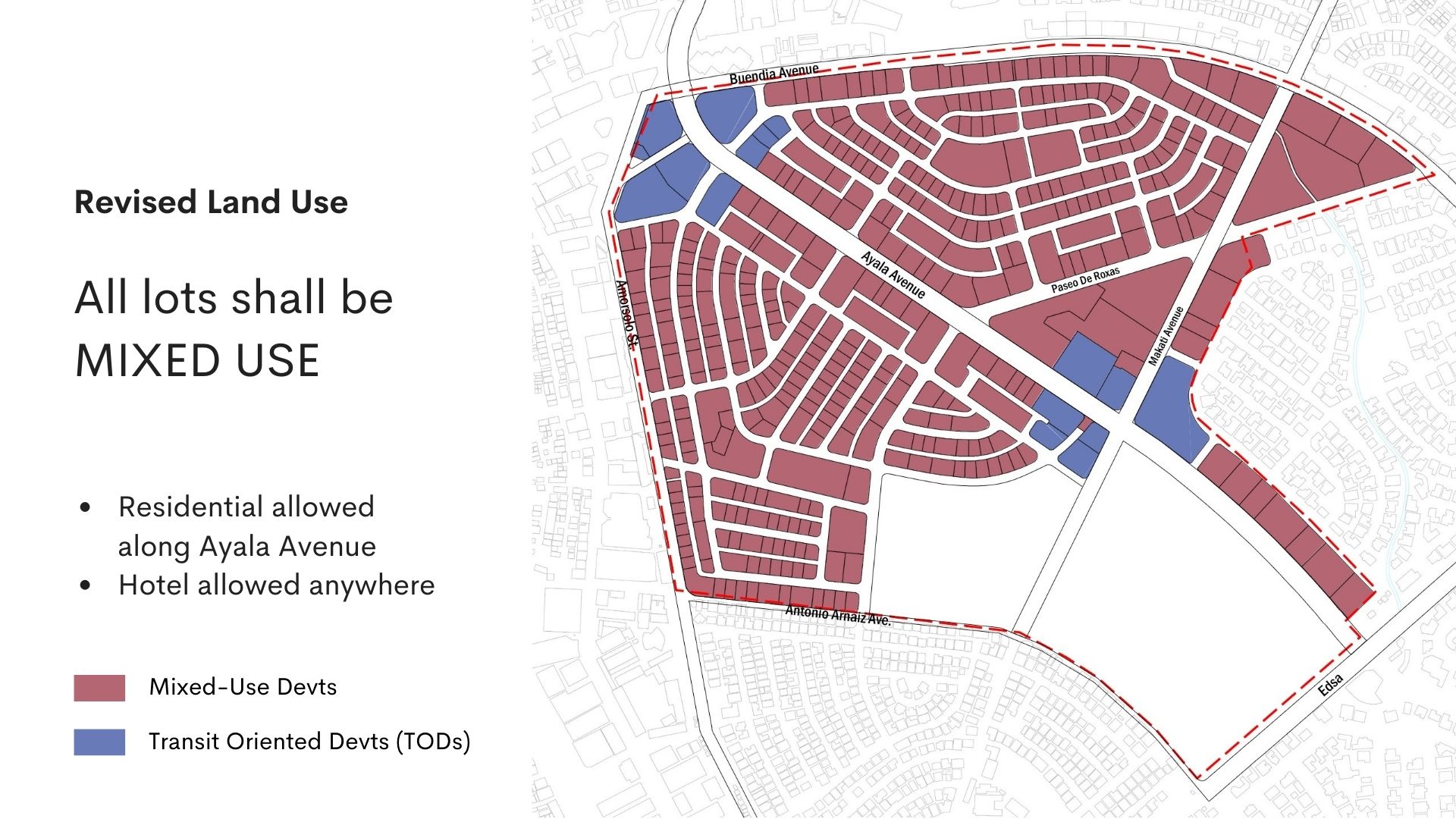
The removal of these long-standing restrictions reflects MACEA's recognition that modern business districts must adapt to rapidly changing workplace requirements, technological advances, and sustainability imperatives. These regulations previously restricted land use, building specifications, and permissible activities on premises, but the new framework prioritizes adaptability and value creation while preserving the district's competitive advantages.
Strategic Rezoning for Modern Business Needs
The 2025 guidelines introduce groundbreaking changes to the district's zoning framework. Key proposals include increasing the allowable Floor Area Ratio (FAR) for office developments in Legazpi and Salcedo Villages, as well as permitting mixed-use developments along major thoroughfares. These changes address the growing demand for flexible workspace solutions and integrated living-working environments that define modern business districts.
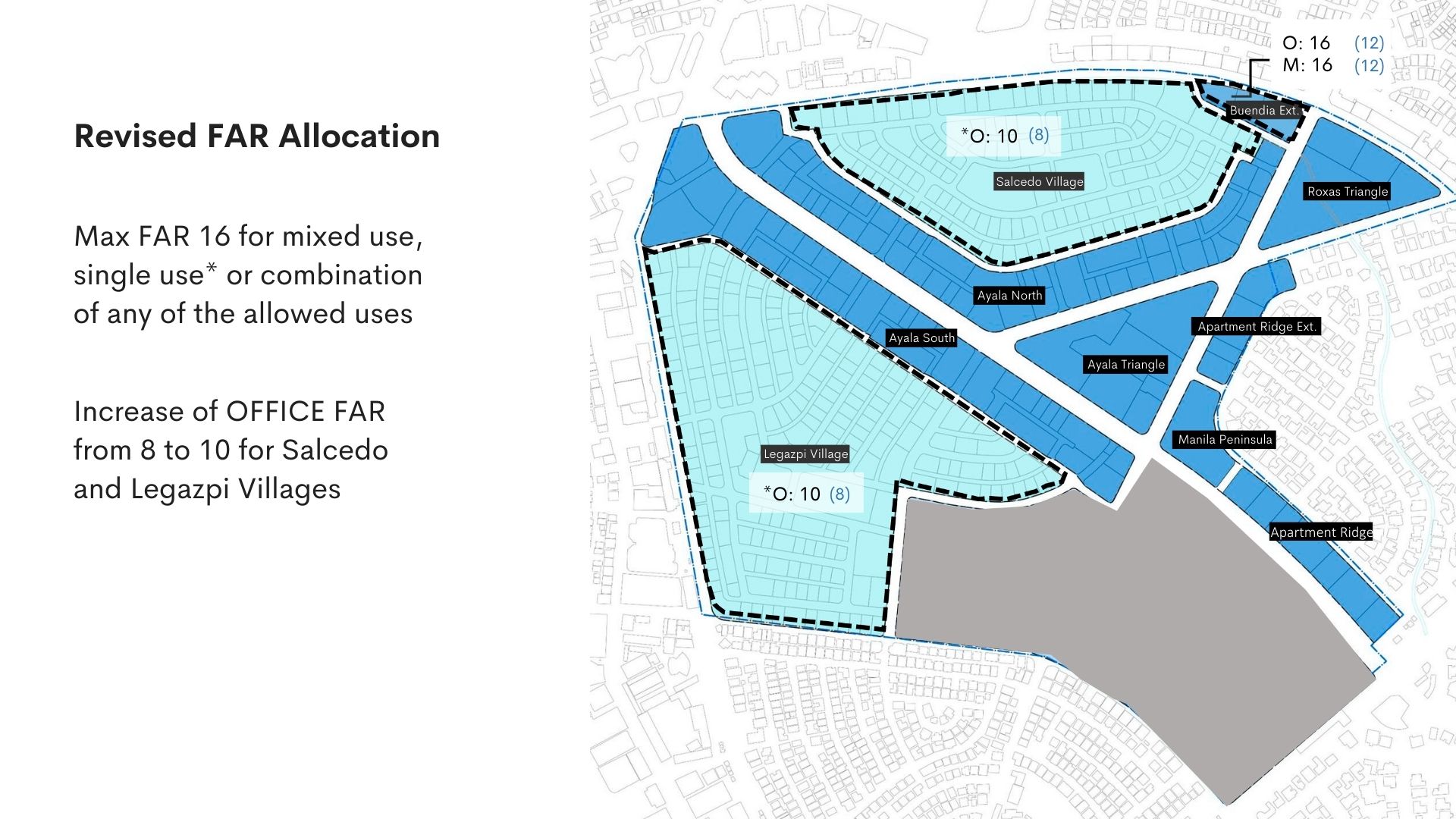
The city's proposal to amend CBD restrictions which aim to encourage significant redevelopment could potentially increase office stock by at least 1.2 million square meters, with the vision to revitalize Makati CBD by 2050. This expansion represents not just quantitative growth but a qualitative transformation of how business districts function in the modern economy.
Balancing Heritage and Innovation
The new design guidelines maintain Makati's architectural excellence while providing flexibility for contemporary building solutions.
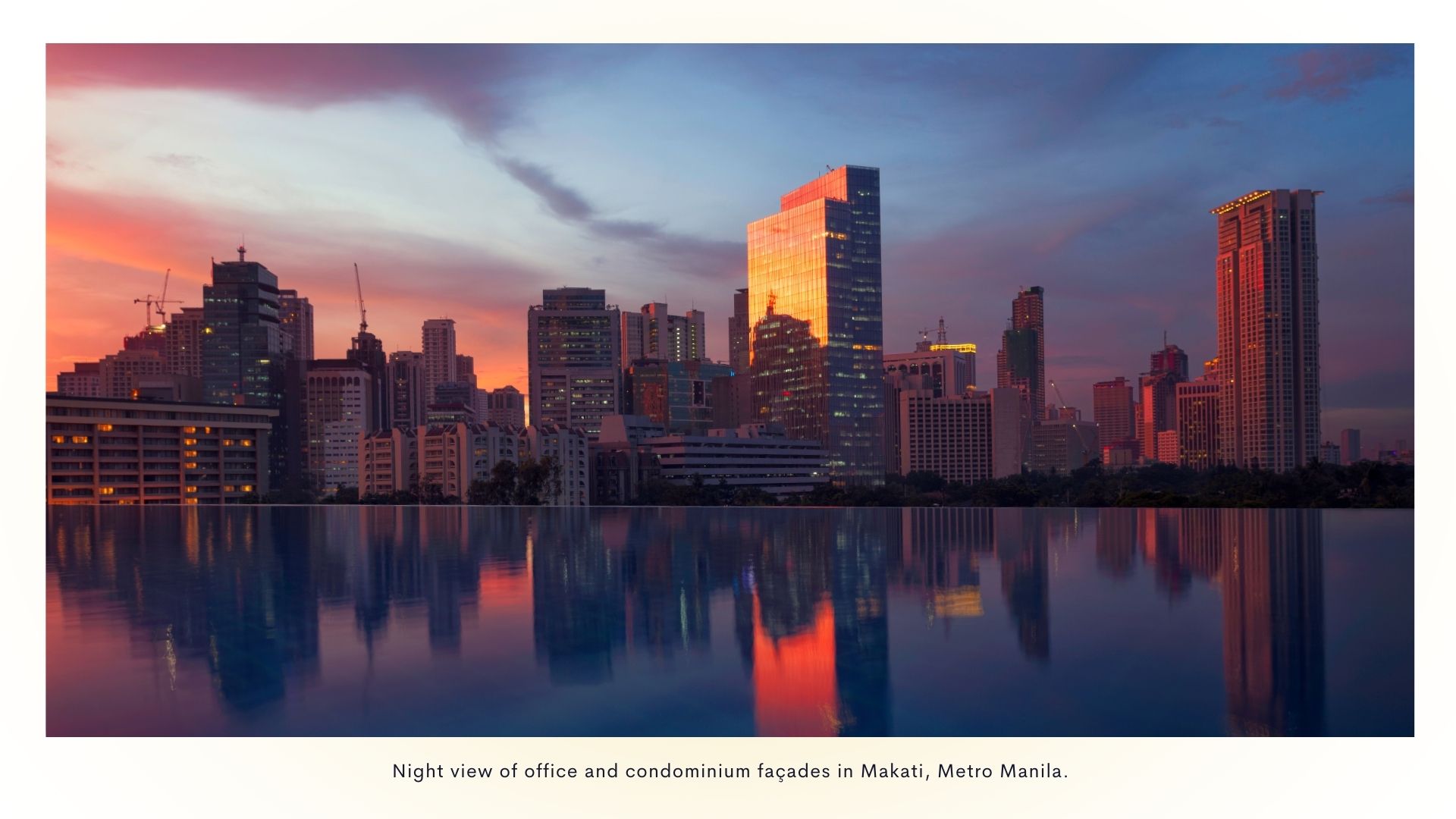
The framework recognizes that Ayala Avenue serves as a literal timeline of Philippine architecture, from its humble beginnings in the 1960s as a swampland turned fledgling financial district to the world-class metropolis it currently represents.
Architectural Standards and Aesthetic Coherence
The new design guidelines maintain Makati's architectural excellence while providing flexibility for contemporary building solutions.
The framework recognizes that Ayala Avenue serves as a literal timeline of Philippine architecture, from its humble beginnings in the 1960s as a swampland turned fledgling financial district to the world-class metropolis it currently represents.
Sustainability Integration
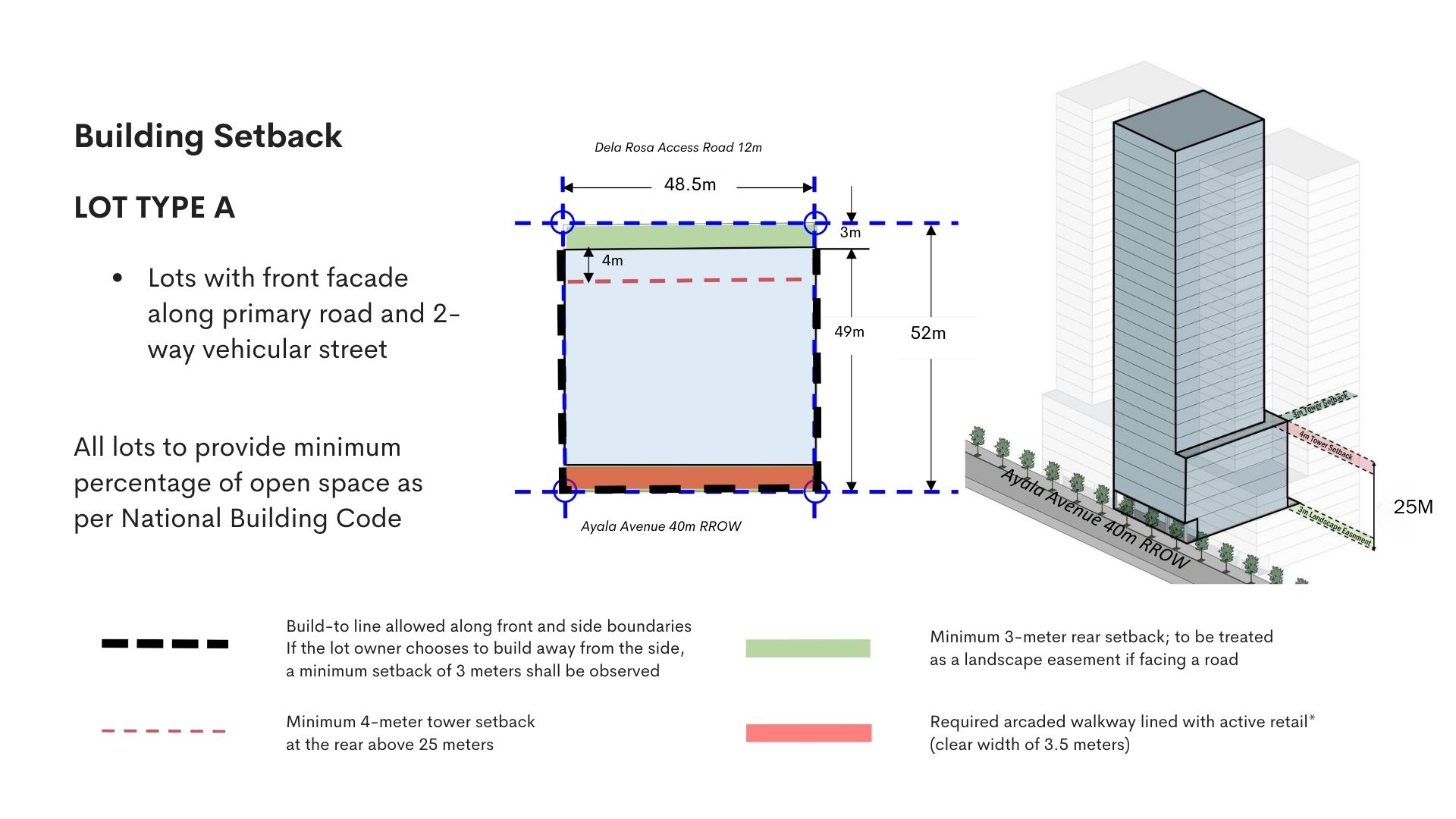
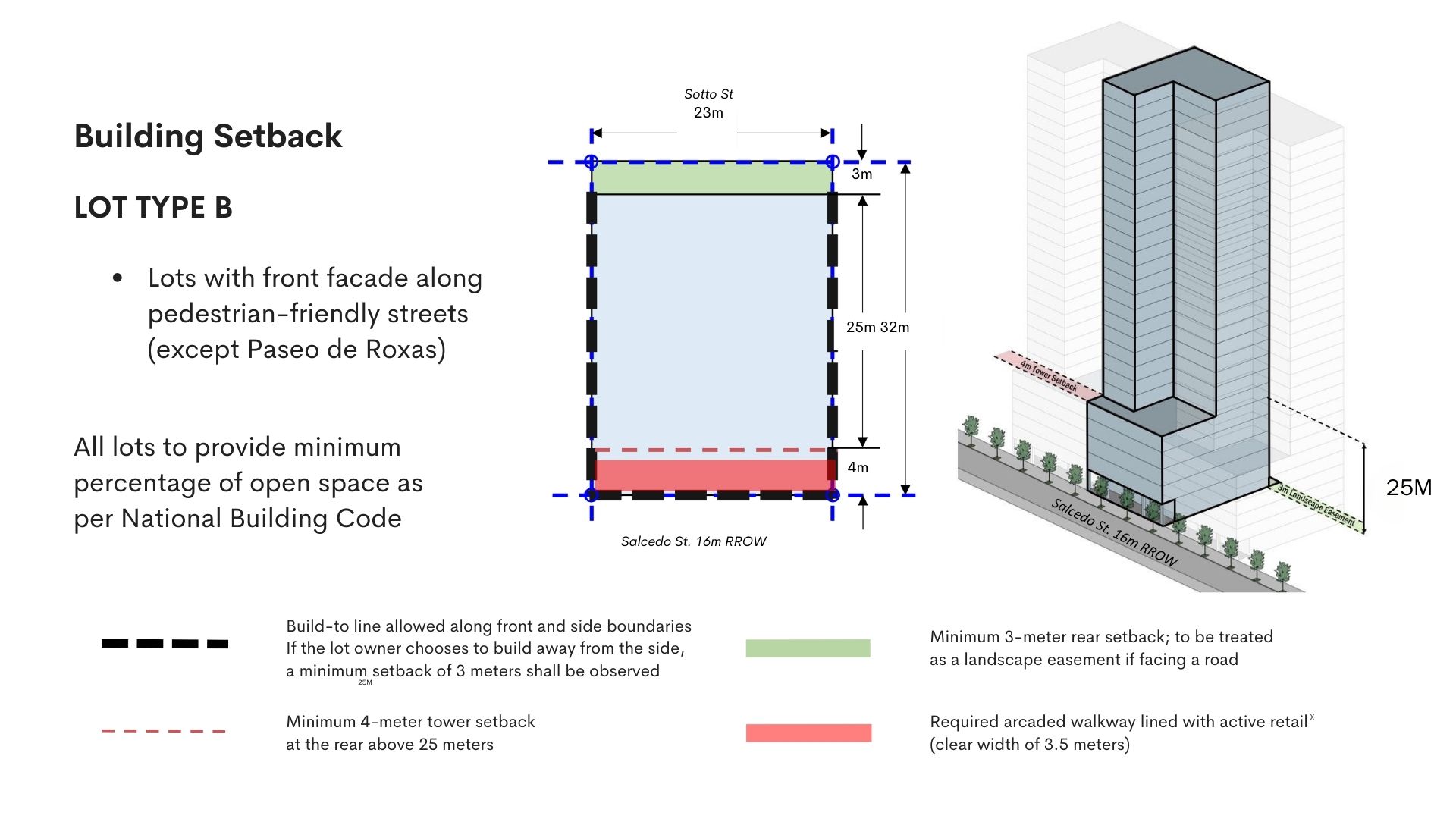
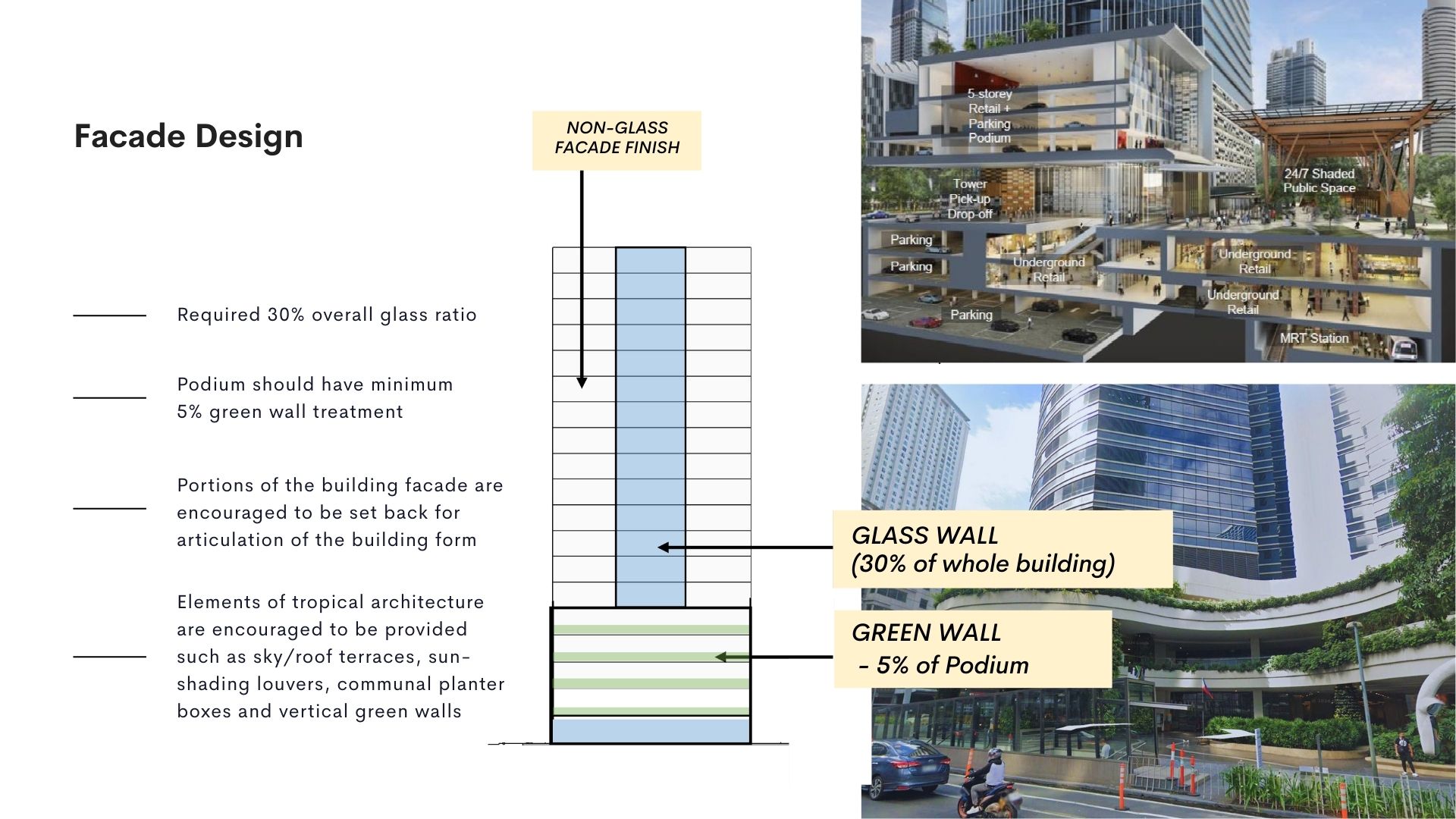
Environmental responsibility has become a cornerstone of the new design guidelines. All new construction and major renovations must incorporate sustainable building practices, energy-efficient systems, and green building certifications. This requirement aligns with global trends toward environmental responsibility and supports the district's long-term competitiveness.
The guidelines encourage innovative approaches to sustainability, including renewable energy integration, water conservation systems, and green building materials. These requirements reflect the growing corporate demand for environmentally responsible office spaces and support the district's broader sustainability objectives.
Creating Integrated Communities & Residential integration
One of the most significant changes in the 2025 guidelines is the explicit encouragement of mixed-use developments. This shift recognizes that modern business districts must function as integrated communities rather than mono-functional office zones.
For the first time in Makati's history, the new guidelines allow for residential developments within the traditional office core, particularly along major thoroughfares. This change addresses the growing demand for live-work arrangements and supports the creation of a more diverse, vibrant district that operates beyond traditional business hours.
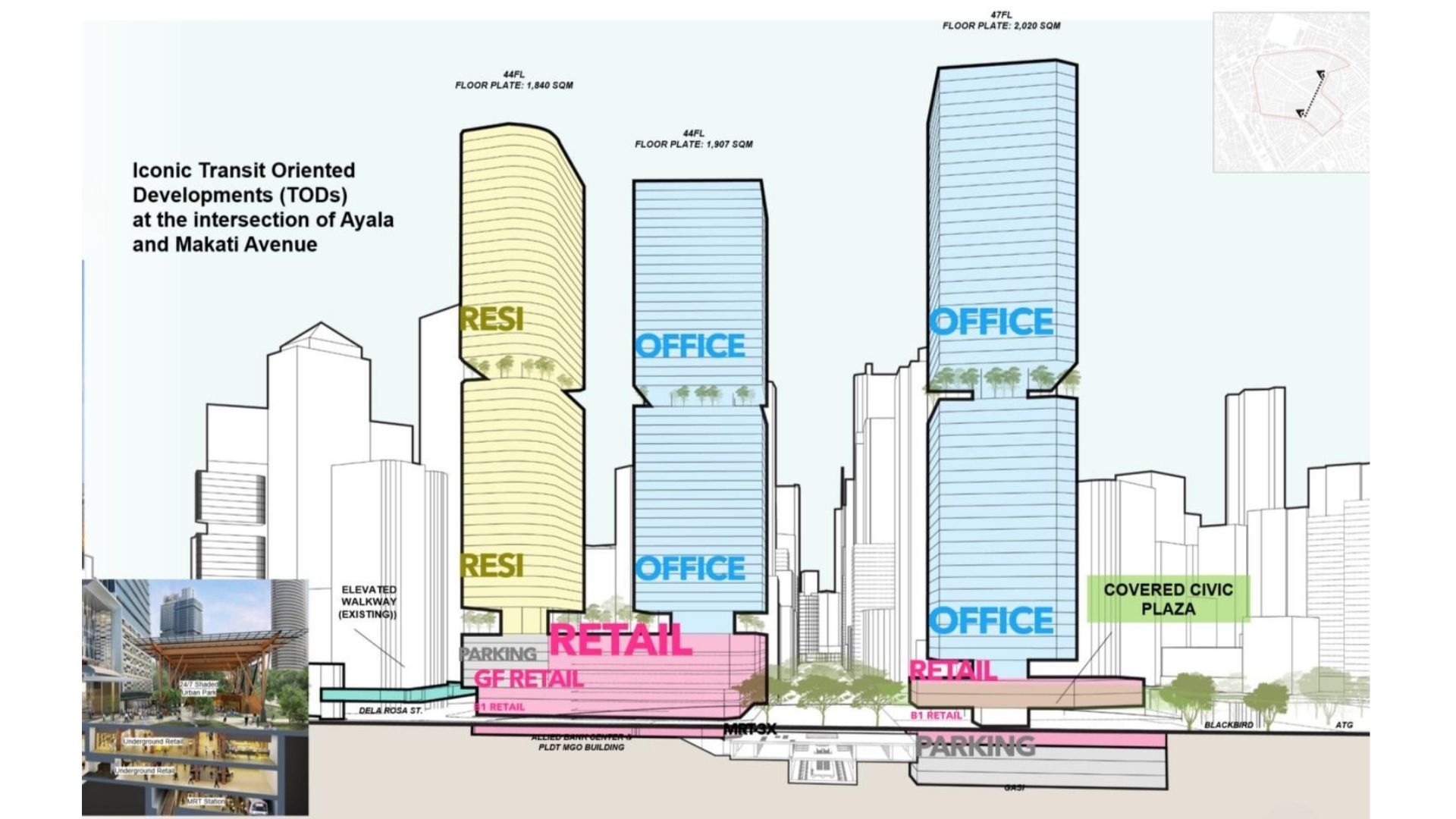
The residential integration supports talent retention by providing high-quality housing options within the district, reducing commuting time and enhancing quality of life for professionals working in the area. This approach aligns with global trends toward mixed-use urban development and supports the district's evolution into a truly integrated business community.
Commercial and Retail Enhancement
The guidelines encourage ground-floor retail and commercial spaces in new developments, creating more diverse and engaging streetscapes. This approach supports local businesses while providing convenient amenities for the district's workforce and residents.
The emphasis on commercial integration recognizes that successful business districts require supporting ecosystems of restaurants, shops, services, and entertainment venues. By encouraging these mixed-use approaches, the guidelines support the creation of a more complete urban environment.
Infrastructure and Connectivity Requirements
Environmental responsibility has become a cornerstone of the new design guidelines. All new construction and major renovations must incorporate sustainable building practices, energy-efficient systems, and green building certifications. This requirement aligns with global trends toward environmental responsibility and supports the district's long-term competitiveness.
The guidelines encourage innovative approaches to sustainability, including renewable energy integration, water conservation systems, and green building materials. These requirements reflect the growing corporate demand for environmentally responsible office spaces and support the district's broader sustainability objectives.
Transportation Integration
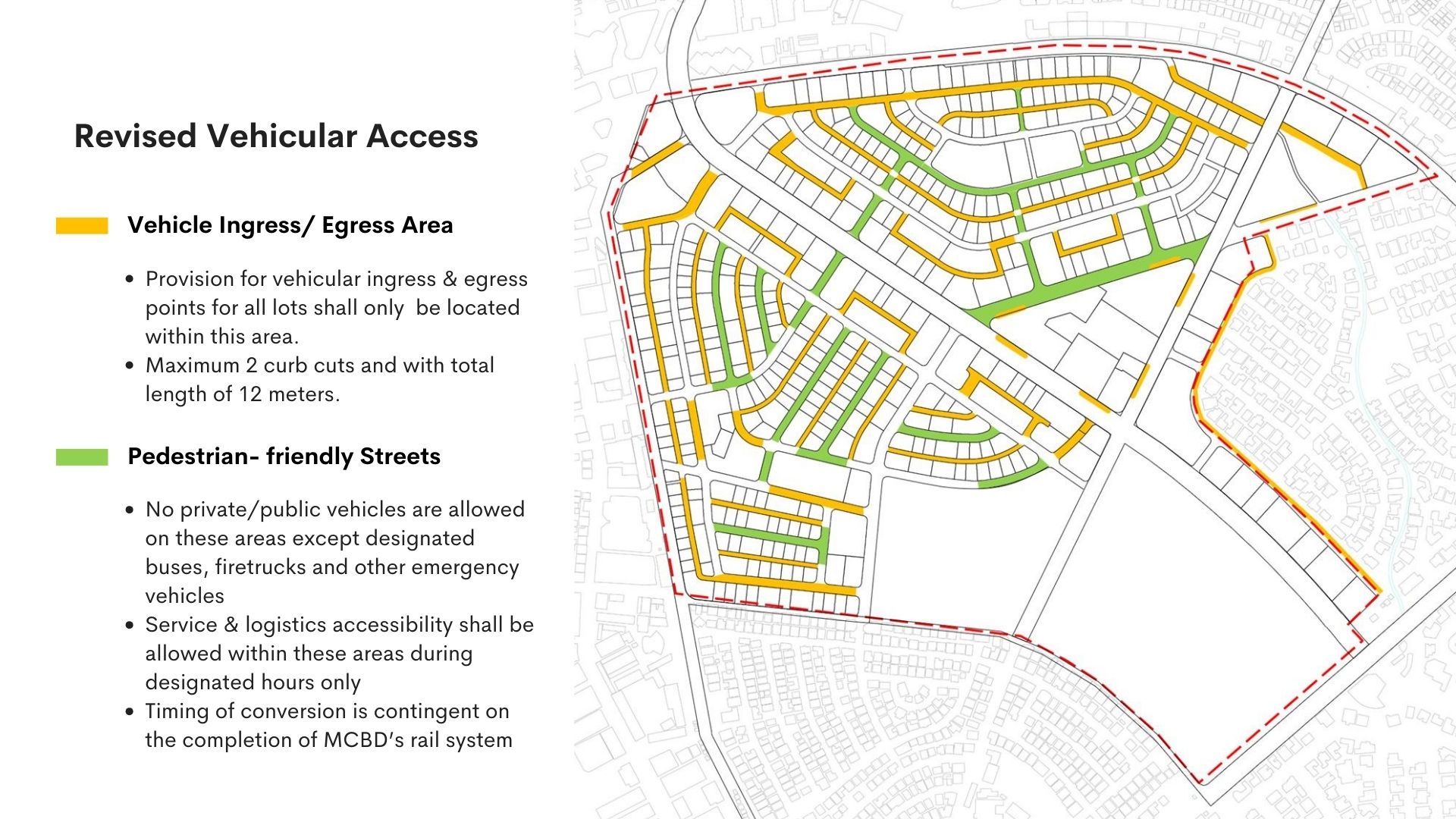
New developments must incorporate features that support multiple transportation modes, including public transit access, bicycle parking, and electric vehicle charging stations. This requirement reflects the growing emphasis on sustainable transportation options and supports the district's broader mobility objectives.
The guidelines encourage developments that enhance pedestrian connectivity, building on Makati's established strengths in walkability and pedestrian-friendly design. New buildings must contribute to the district's network of covered walkways and pedestrian connections.
Economic Impact and Investment Opportunities
The implementation of the 2025 guidelines creates significant opportunities for property owners and developers.
Industry experts recommend incentivizing redevelopment projects, particularly those that integrate sustainability features, recognizing the potential for both economic returns and environmental benefits.
Value Creation for Property Owners
The increased flexibility in land use and building design creates opportunities for property owners to optimize their assets for current market conditions. The ability to incorporate residential, commercial, and office uses within single developments enables more efficient land utilization and diversified revenue streams.
The guidelines support adaptive reuse of existing buildings, allowing property owners to modernize older structures while maintaining their fundamental character. This approach supports both economic efficiency and environmental sustainability by extending the useful life of existing buildings.
The new framework positions Makati to attract international investment by demonstrating the district's commitment to modernization and adaptability.
The emphasis on sustainability and mixed-use development aligns with global investment trends and supports the district's competitiveness in attracting multinational corporations.
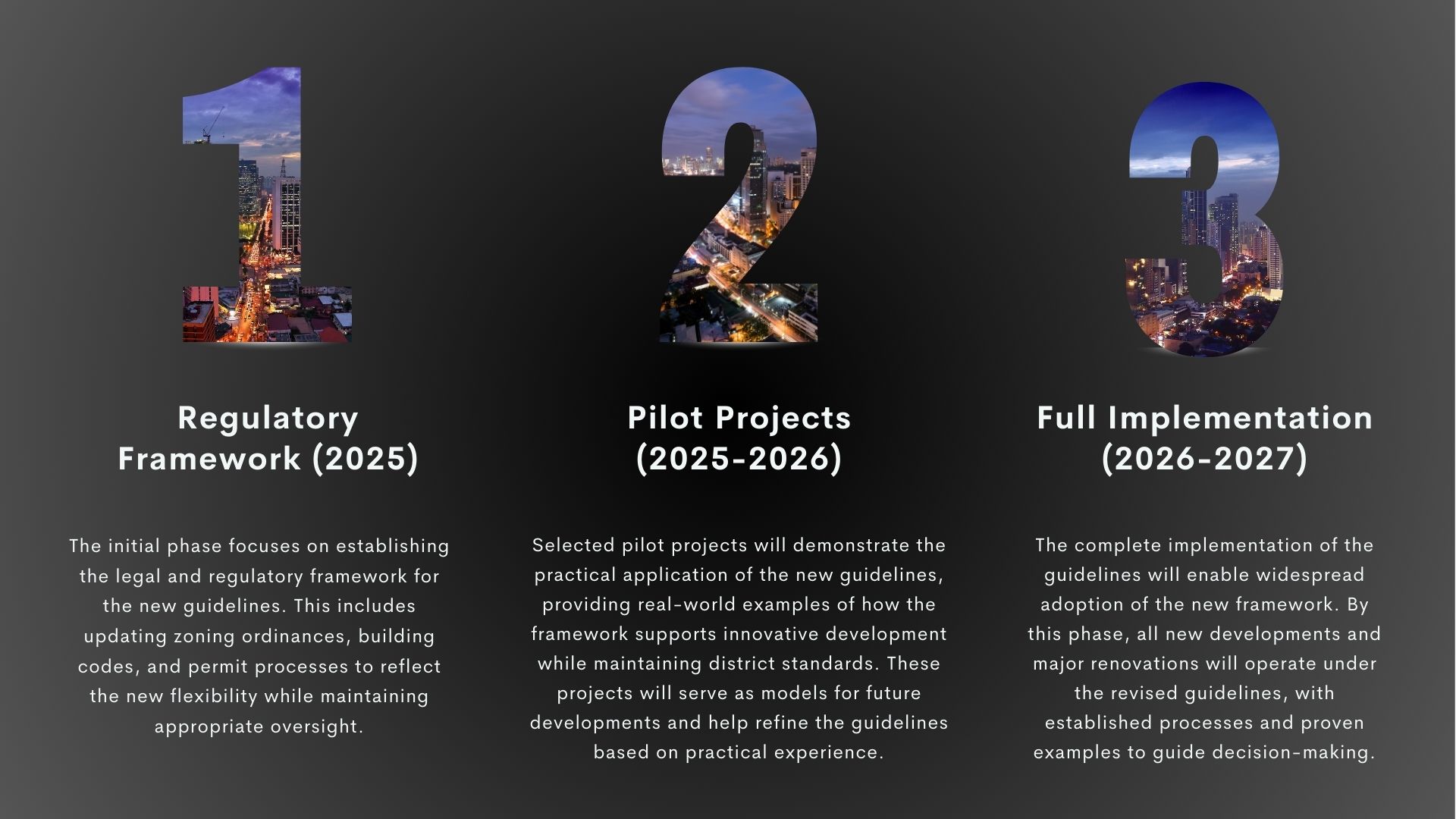
Implementation Timeline and Process
The rollout of the 2025 guidelines follows a carefully structured implementation process designed to minimize disruption while maximizing benefits for all stakeholders.
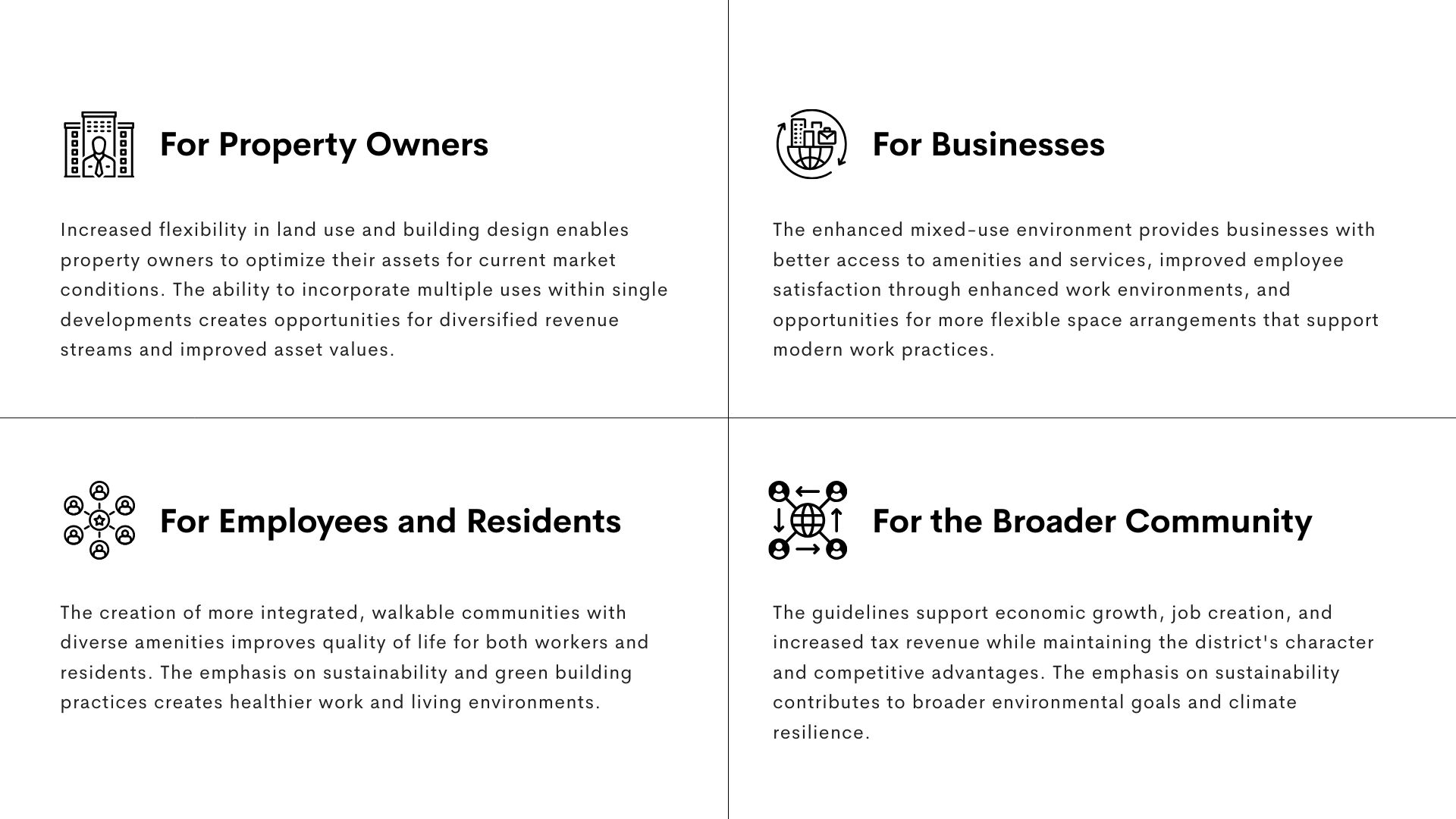
Stakeholder Benefits and Community Impact
The 2025 guidelines create benefits for all stakeholders in the Makati business district ecosystem.
Makati's Next Chapter
The 2025 MACEA Deed of Restrictions and Design Guidelines represent more than regulatory updates—they constitute a comprehensive vision for the future of the Philippines' premier business district. Makati City has long been the financial heart of the Philippines, continuously evolving to meet the needs of businesses, investors, and professionals, and these guidelines ensure that evolution continues.
The framework balances the preservation of Makati's established strengths with the flexibility necessary to adapt to changing business needs and global trends. By embracing mixed-use development, sustainability requirements, and design innovation, the guidelines position Makati to maintain its leadership position in Southeast Asia's competitive business district landscape.
As the district enters this new phase of development, the success of the 2025 guidelines will be measured not just in economic terms but in their ability to create a more vibrant, sustainable, and inclusive business community. The framework provides the foundation for Makati's continued evolution as a world-class business destination that serves the needs of all its stakeholders while contributing to the broader economic development of the Philippines.
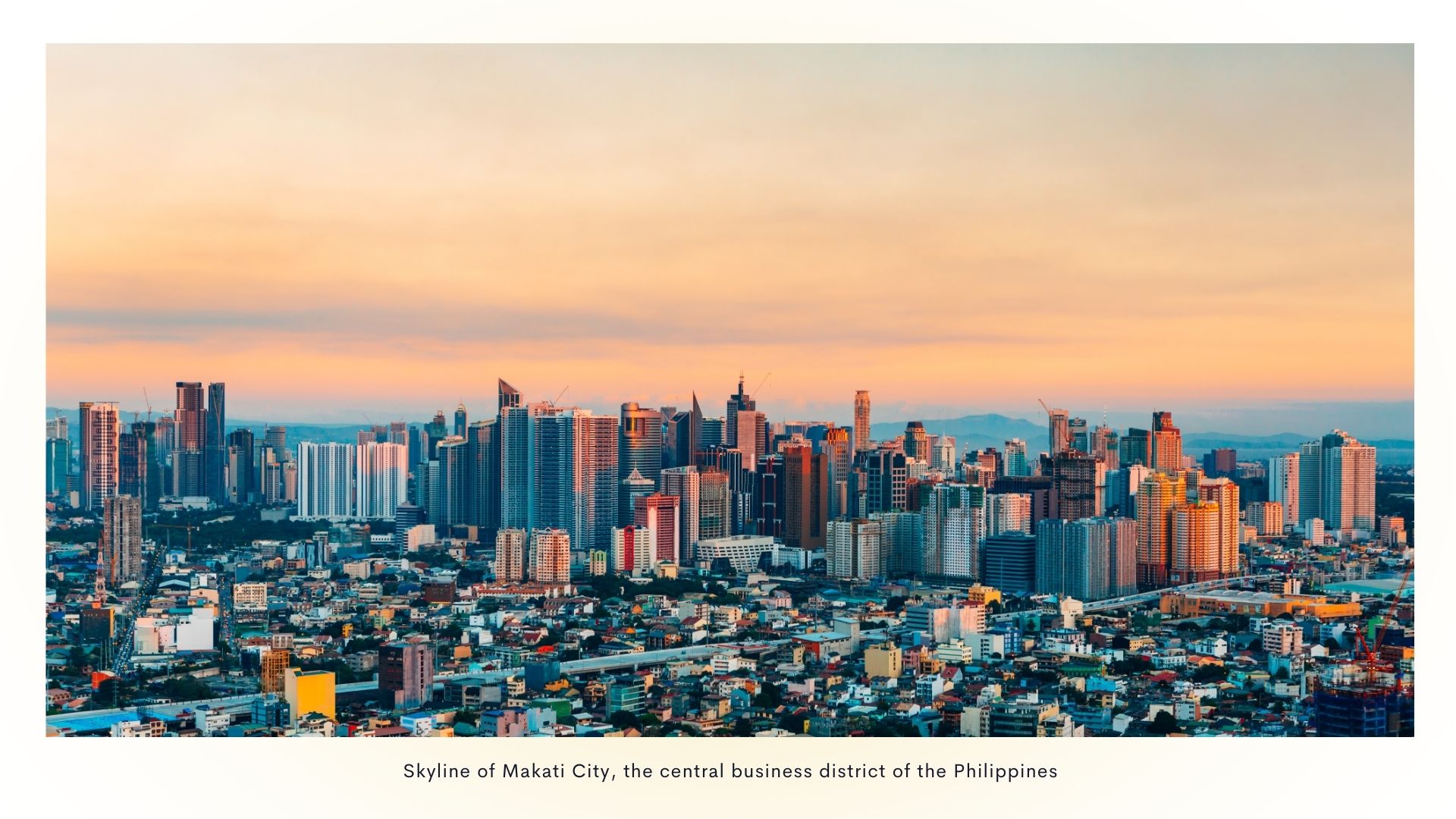
The implementation of these guidelines marks the beginning of Makati's next chapter one that honors its heritage while embracing the opportunities and challenges of the 21st century business environment. Through thoughtful planning, strategic flexibility, and commitment to excellence, the 2025 MACEA Deed of Restrictions and Design Guidelines ensure that Makati will continue to set the standard for business district development in Southeast Asia and beyond.
Related Services:
Written by
